
- Sellers who publish prices put car accident leads at about $300 to over $1,000, well above general personal injury.
- Several price pages that rank on Google are years old. Get a written quote that says what is included.
- A good lead is recent, injured, not at fault, unrepresented, in your states and yours alone.
- In some states paying for leads is a legal question, not only a price one. California now lets anyone sue over uncertified referrals.
- Judge suppliers on cost per signed case from a 30 to 50 lead trial, not on price per lead.
The short answer
Car accident leads cost more than almost any other legal lead because a signed case is worth more, and firms in busy states bid for the same injured people. The published range is wide because the screening, freshness and exclusivity behind each price are different.
What sellers publish
Few legal lead sellers publish prices at all. On 5 November 2026 we checked the US sellers that rank on Google for legal leads. Six showed a starting price for personal injury leads. Car accident leads, where shown, sit well above these.
Convrsion check of six sellers' own pages, 5 November 2026. Starting prices as each seller states them; not quotes.
Why the same lead has different prices
Four things explain most of the gap: exclusivity, freshness, screening and the state. Big cities and busy states cost more because more firms bid for the same enquiries.
- Shared with other firms, or resold later
- Days or weeks old
- No check on fault, injury or an existing lawyer
- No record of what the person agreed to
- One firm, never resold, written into the contract
- Hours old, ideally from the first day
- Screened for fault, injury, treatment and representation
- Consent that names your firm, with the record
The mistake: trusting the price page
One page we read on 5 November quoted exclusive car accident leads at $350 to $550, under a title that said 2026 and a byline dated 2018. Google's AI answer quoted personal injury leads at $150 to $500, with no date or source.
Neither tells you today's price. Ask for a written quote: exclusive or not, maximum age, the questions asked, and what happens when a lead fails.
What a good car accident lead looks like
A good lead is a real person you can reach, with a case you can take. Agree these six points in writing before the first lead arrives.
- 1Recent
A crash in the last 30 days, ideally the last few. Many people sign with the first firm that helps them.
- 2Injured and treated
Hurt, and seen by a doctor or about to be.
- 3Not at fault
Fault sits with the other driver, or is at least in question.
- 4No lawyer yet
Asked plainly, not assumed.
- 5In your states
Lives and crashed where you are licensed and want cases.
- 6Yours alone
Exclusive in the contract, with consent that names your firm.
Live transfers or web leads?
A live transfer connects the screened person to your intake team while they're still on the line. None of the sellers we checked publishes a law-firm transfer price; expect it to cost more than a web lead.
If transfers run through a call center, ask: do they charge for bad numbers and duplicates, how fast can they go live, and will they confirm in writing that they won't reuse your callers?
- Arrives as a form and you call them
- Cheaper per lead
- Worth less with every minute you wait
- Works if your team calls inside five minutes
- Screened and connected while they're on the line
- Costs more per transfer
- No race to call back
- Needs intake staff free in the hours transfers arrive
Can a law firm pay for leads?
Lawyers can pay for advertising. What they can't do, under the ABA's model rules that most states follow in some form, is pay someone to recommend them.
Since 2012 the ABA's comment has allowed paying a lead generator, as long as it doesn't vouch for the lawyer or suggest it picked the lawyer for the person's case.
- Paying for advertising
- Paying a lead generator that advertises
- Ads that describe your firm honestly
- Paying someone to recommend you
- A lead generator vouching for you
- Suggesting it picked you for the person's case
States go further: Florida and California
Florida bars targeted letters to accident victims for 30 days, a rule the Supreme Court upheld in 1995. California is the strictest we've read: a firm may not accept referrals from a service the State Bar hasn't certified, and since SB 37 took effect on 1 January 2026, anyone can sue for $5,000 to $100,000 per violation.
If you run ads in your own name
Some firms skip the seller and advertise themselves. The same quality rules apply. The ads that bring recent, screened cases ask the screening questions early: when it happened, whether they were hurt, whose fault it was.
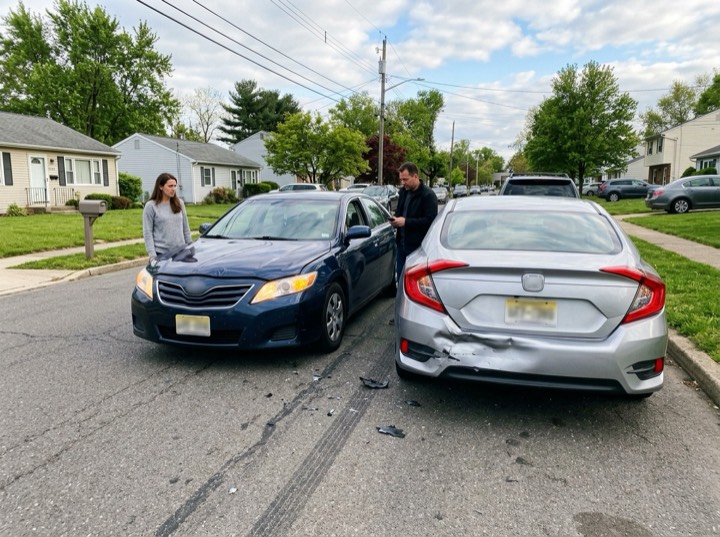
Hurt in a crash that wasn't your fault? Find out what to do next.
Car accident in the last 30 days? Check your options in 4 questions
Were you hurt?
Speak to a lawyer before you sign
Examples, written as your own firm. No promised results, no "best", nothing that suggests someone picked you for their case. Check your state bar's advertising rules before anything runs.
The first minutes after a lead arrives
A web lead is worth less with every minute you wait. Call inside five minutes. If the person can't talk, a text that names your firm keeps you first in line while you arrange a time. Many people sign with the first firm that helps them.
New enquiry, 9:02
Hi Maria, it's Your Law Firm. You asked about your accident on our site. Dana from our intake team is calling you now. Reply STOP to opt out.
I'm at the doctor, can you call at 11?
Of course. Dana will call you at 11am. Hope it goes OK today.
Thanks
Callback booked for 11:00.
Text only where the person's consent names your firm and covers texts. The FCC treats AI-generated voices as artificial voices, so an AI caller making marketing calls needs prior express written consent. From 25 November 2026, if you set an opt-out method, show it in every text.
Consent: the TCPA side
Calling or texting these leads brings in the federal TCPA and state telemarketing laws. Ask for consent wording that names your firm, and for the record that comes with each lead. Our guide to TCPA consent covers what to keep and what changes on 25 November 2026.
What we'd do
If you're buying car accident leads for the first time, or changing supplier, this is the order we'd do it in.
- 1Pick one or two states
Where you're licensed and your intake can cope. Check that state's rules on paying for leads first.
- 2Write the lead down
Recency, injury, fault, representation and state, agreed in writing, with what counts as a valid return.
- 3Trial 30 to 50 leads
Track contact rate, real accidents, people already represented, and signed cases.
- 4Call inside five minutes
Every lead, every time. If they don't pick up, text where you have consent and keep trying for days.
- 5Add transfers for peak hours
Once web leads work, test live transfers in the hours your team is free to take them.
- 6Judge on cost per signed case
Total spend divided by cases signed. Keep the suppliers whose number holds.
AI prompts for your intake team
Copy these into ChatGPT or Claude and fill in the brackets with your firm's details. They're written to give you something your intake team can use this week. None of it is legal advice; check anything about your state's rules with your state bar.
Write my intake call scriptA first call that screens fast and books the case review.
You are an intake trainer for US personal injury law firms. Write a first-call script for [firm name], licensed in [states], calling someone who asked about a car accident on [website or ad] a few minutes ago.

What we take: [case types]. Our criteria: accident within [number] days, injured and treated or about to be, not at fault or fault in question, no lawyer yet, lives and crashed in [states]. How cases are signed: [e.g. e-sign after a call with an attorney]. Intake hours: [hours].

The script should:
1. Open in under 10 seconds: who I am, where they found us, and is now OK.
2. Show care before questions: one line, then listen.
3. Ask the screening questions in a natural order: date and state of the accident, injuries and treatment, what happened and fault, police report, whether an insurer has contacted them, whether they already have a lawyer.
4. Explain the next step plainly and book the call with an attorney, with two time options.
5. Close kindly if it isn't a fit.

Also give short, honest answers to: "how much is my case worth?", "how much does it cost?", "I need to think about it", "the insurer already offered me money".

Rules: intake never promises an outcome or a case value and never gives legal advice; the attorney does that. No pressure. Ask me whether we record calls, and remind me to check my state's rules if we do.
Score a lead against my criteriaPaste a lead; get pass, fail or unknown on each point and what to ask first.
You are an intake analyst for [firm name]. Score this car accident lead against our criteria.

The lead: [paste every field the supplier sent, with the time it arrived].

Our criteria:
1. Recent: accident within [number] days.
2. Injured and treated, or about to be.
3. Not at fault, or fault in question.
4. No lawyer yet.
5. Lives and crashed in [states].
6. Exclusive to us, with consent that names our firm and a record of it.

For each criterion give pass, fail or unknown, with the field it's based on. Never guess a missing field: mark it unknown. Then give:
- an overall call: call now, call and verify, or check against our return terms with the supplier ([paste return terms]);
- the first question to ask on the call, aimed at the most important unknown.

Judge only on these criteria and what the person told us; nothing else.
Run my 30 to 50 lead trialA tracking sheet and weekly review, so you judge on cost per signed case.
I'm trialing [number, 30 to 50] car accident leads from [supplier] at [price per lead] in [states]. Help me run the trial properly.

Produce:
1. A tracking sheet: one row per lead, with columns for time received, time first called, reached (yes/no), real accident (yes/no), already represented, meets criteria, consult booked, signed, returned to supplier and why.
2. A weekly review: contact rate, share of real accidents, share already represented, consults booked, signed cases, and cost per signed case (total spend divided by cases signed).
3. What counts as a valid return under our agreement: [paste terms].
4. A short, factual weekly email to the supplier with the numbers and any returns.

Rules: don't give me industry benchmarks unless you can name the source; my own numbers decide. Signed cases take weeks, so tell me which numbers I can judge early and which need waiting for.
Check a supplier before I buyThe questions to ask, and the answers that should make you walk away.
You are helping [firm name], a personal injury firm licensed in [states], check a lead supplier before buying car accident leads. This isn't legal advice; flag anything to check with our state bar's rules or a lawyer.

Write a questionnaire with what a good answer looks like and the red flags, covering:
1. Exclusivity: one firm, never resold, written into the contract.
2. Freshness: the maximum age of a lead when it reaches us.
3. Screening: which questions they ask (fault, injury, treatment, existing lawyer, state).
4. Returns: what happens when a lead fails.
5. Consent: wording that names our firm, and the record that comes with each lead.
6. How they comply with our states' rules on paying for leads: do they advertise rather than recommend? In California, are they a certified referral service or running joint advertising?
7. Live transfers, if offered: do they charge for bad numbers and duplicates, how fast can they go live, and will they confirm in writing that they won't reuse our callers?

Then write a short email to send the supplier with the questions.
Write ads in my firm's nameSix ads across different angles, written within advertising rules.
You are a legal marketing copywriter. Write 6 Facebook and Instagram ads for [firm name], a personal injury firm in [city, state], for people recently hurt in car accidents.

About us: [years in practice], [languages spoken], [what makes our intake different, e.g. same-day calls], [anything our state bar requires on every ad].

Write 2 ads each for three angles: it just happened and they don't know what to do next; an insurer is already calling them; they're hurt and missing work. For each ad give: primary text (under 125 characters), headline (under 40), the photo to use, and the first question on the form.

Rules: no promised results, no case values, no "best" or "number one", nothing that suggests someone picked us for their case, no fake urgency. Ask me what disclaimers my state requires and include them. Flag any line I should check against my state bar's advertising rules.
What this page is
Prices here are what sellers published on the dates shown, not quotes. The rules are general information as we read them on 9 November 2026, not legal advice. Check your state bar's current rules before you buy or advertise.
Common questions
How much does a car accident lead cost in the US?
Sellers who publish prices put them at about $300 to over $1,000 a lead, against roughly $100 to $350 for general personal injury. Several price pages are out of date, so get a written quote.
Are cheap car accident leads worth it?
Only if they're exclusive, recent and screened. A low price often means shared, older or unscreened leads, and the cost shows up as lost cases and wasted intake time.
Is it legal for a law firm to pay per lead?
In most states, yes, if the seller advertises rather than recommends you. Some states add rules. In California a firm may not accept referrals from a service the State Bar hasn't certified. Check your state bar's rules.
What is a live transfer?
A screened person connected to your intake team on the phone while they're still on the line, after agreeing to speak to you.
How big should a trial be?
30 to 50 leads is enough to see your contact rate and how many are real, unrepresented cases. Signed cases take longer, so give it a few weeks.
Sources
- Best Case Leads: pricing (published ranges, read 9 November 2026)
- ABA Journal: online marketing, including lead generation, addressed in changes to ABA ethics rules (6 August 2012)
- Florida Bar v. Went For It, Inc., US Supreme Court, 21 June 1995
- California SB 37 (2025), Chapter 645: attorneys, unlawful solicitations and advertisements (chaptered text)
- 47 U.S.C. 227: Restrictions on use of telephone equipment
- 47 CFR 64.1200: Delivery restrictions (eCFR)
Tell us your states, your case criteria and how many your intake team can take a week. We'll come back with what we can send, and how we'd run it within each state's rules.
Written by Derryn Ofori, Co-founder, Sales at Convrsion. Prices and figures come from the sources listed and were checked on 9 Nov 2026. Convrsion runs lead generation campaigns in the UK and US, so we buy, sell and follow up leads every day; this page is general information, not a quote or legal advice.